
Why Poetry?

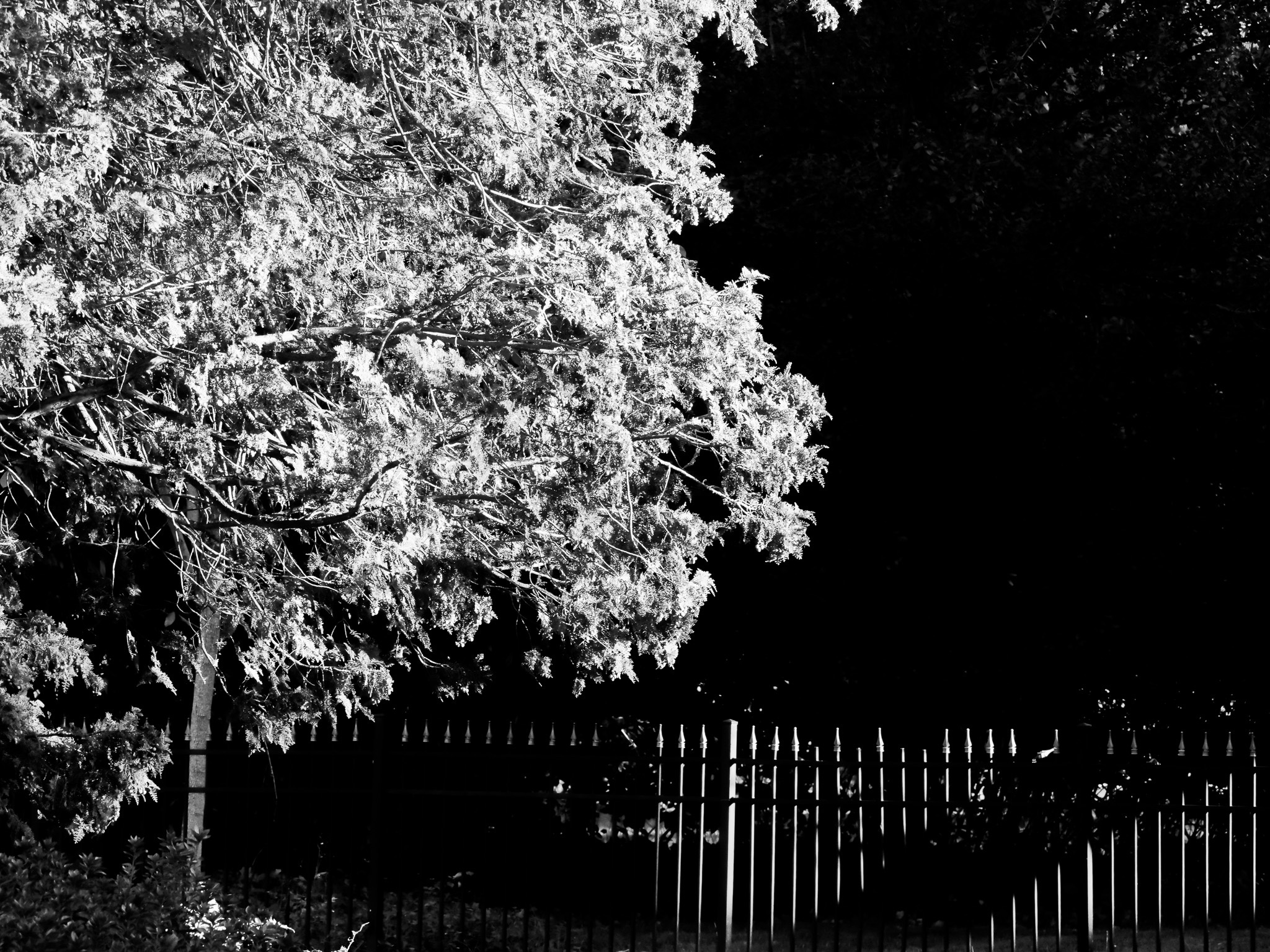
death of an idiot
Poem by Charles Bukowski
he spoke to mice and sparrows
and his hair was white at the age of 16.
his father beat him every day and his mother
lit candles in the church.
his grandmother came while the boy slept
and prayed for the devil to let loose his hold upon
him
while his mother listened and cried over the
bible.
he didn’t seem to notice young girls
he didn’t seem to notice the games boys played
there wasn’t much he seemed to notice
he just didn’t seem interested.
he had a very large, ugly mouth and the teeth
stuck out
and his eyes were small and lusterless.
his shoulders were slumped and his back was bent
like an old man’s.
he lived in our neighborhood.
we talked about him when we got bored and then
went on to more interesting things.
he seldom left his house. we would have liked to
torture him
but his father
who was a huge and terrible man
tortured him for
us.
one day the boy died. at 17 he was still a
boy. a death in a small neighborhood is noted with
alacrity, and then forgotten 3 or 4 days
later.
but the death of this boy seemed to stay with us
all. we kept talking about it
in our boy-men’s voices
at 6 p.m. just before dark
just before dinner.
and whenever I drive through that neighborhood now
decades later
I still think of his death
while having forgotten all the other deaths
and everything else that happened
then.
--------------------------------------------------------------------------------
From Burning in Water, Drowning in Flame
Selected poems 1955 - 1973
Black Sparrow Press, 1986.
First published in:
Burning in Water, Drowning in Flame, 1974.
I asked a critic/editor friend of mine what he thought of Charles Bukowski. Not his cup of tea, he said, but he knows many people who really love his work. I can understand the sentiment. Much of his poetry, like the one quoted above, is hard to stomach - brutal, cruel, desperate. There is no formal structure. But when I read this poem, I was thrown back to when I was about 11 years old. None of the details apply, except the last stanza.
It was early afternoon in June or July. There were 3 of us in my small backyard. We had a ballgame that evening, and we were throwing the ball around to get ready. One guy was by the back fence, kneeling in catcher’s position. Another was pitching, with me behind the pitcher, maybe calling balls and strikes. The pitcher wound up and let it fly, and fly it did, past the catcher and over the fence. By some twist, at that exact moment, the little boy that lived in a house behind us stood up. The ball hit him square in the chest, and he dropped like a stone. We ran back to check on him, we could tell he was hurt. I ran to his house and got his Mom, who I think was a nurse. She took over. I do not remember what happened next. What I do remember is we went off to our game. A few hours later, my father came to the ballfield, pulled me aside, and told me that the boy had died and took me home.
I was told he had walking pneumonia, that the ball had pushed the last bit of breath out of him. He would have likely died in his sleep that night. Was this told to me to make me feel better, I don’t know. What I do know is … I grew up in that house. I played on the streets and fields of that town. I went to school there, kissed my first girl there, did everything one might imagine. But like the last stanza of the poem, I cannot go back there without thinking of that day and that boy, six decades later.
For me, poetry is linguistic distillation, boiling language down to crystallize an emotion. Poetry is to prose as black and white is to color. Elemental. With some poets it takes a good deal of work to suss out the meaning, if there even is one. Not every poem, maybe even few, touch the nerve. Is that why much of the population has given up on poetry? I suggest … try Bukowski. Raw, evident, bare.
Love this tim! https://storefrontsubways.substack.com/p/drinking-from-a-looking-glass?r=8m36yy&utm_medium=ios I just wrote this! I’d love for you to check it out
Yes, Bukowski's poem is raw and evokes painful emotions, but it's powerful in
the memories it triggers. It made me think of tough experiences in neighborhoods from my childhood. Your experience resonates with me, too.