
Tsundoku

I learned a new word recently … Tsundoku … the Japanese word for buying books you do not read. It is not pejorative … rather a term of respect for the potential represented by the books. What a relief. I thought it was only me, but if the madness has a name I am not alone.
A recent example, of both the buying and the potential. I read an article about a new poetry collection, The Colosseum Book of Contemporary Narrative Verse, edited by Sunil Iyengar. I have come to poetry late in life, so it is no surprise that I was not familiar with the editor, or even what was meant by narrative verse. That did not stop me from buying the book. When it came, I peeked a bit at the introduction and learned that a narrative poem tells a story and tends to be long. It joined the pile on my desk, to be shelved with the others when the book Jenga collapsed.
I had some time to spare the other day and, risking disaster, I plucked the book from the pile. As I often do with books of poetry, I opened it to the middle … take a random sample, see if it works for me. The poem I happened on was The Ballad of Jesus Ortiz. Twenty-nine four-line stanzas, b and d rhymes, telling the story of a boy becoming a man as a cowboy in the old west. I loved it. It sang. (I won’t spoil the story – buy the book). After reading it I wondered who wrote it … this volume has a short bio of the poets leading their selections. Dana Gioia! Well, I know Dana. (Don’t be impressed, probably the only poet I know). I sent him an email telling him how much I enjoyed it.
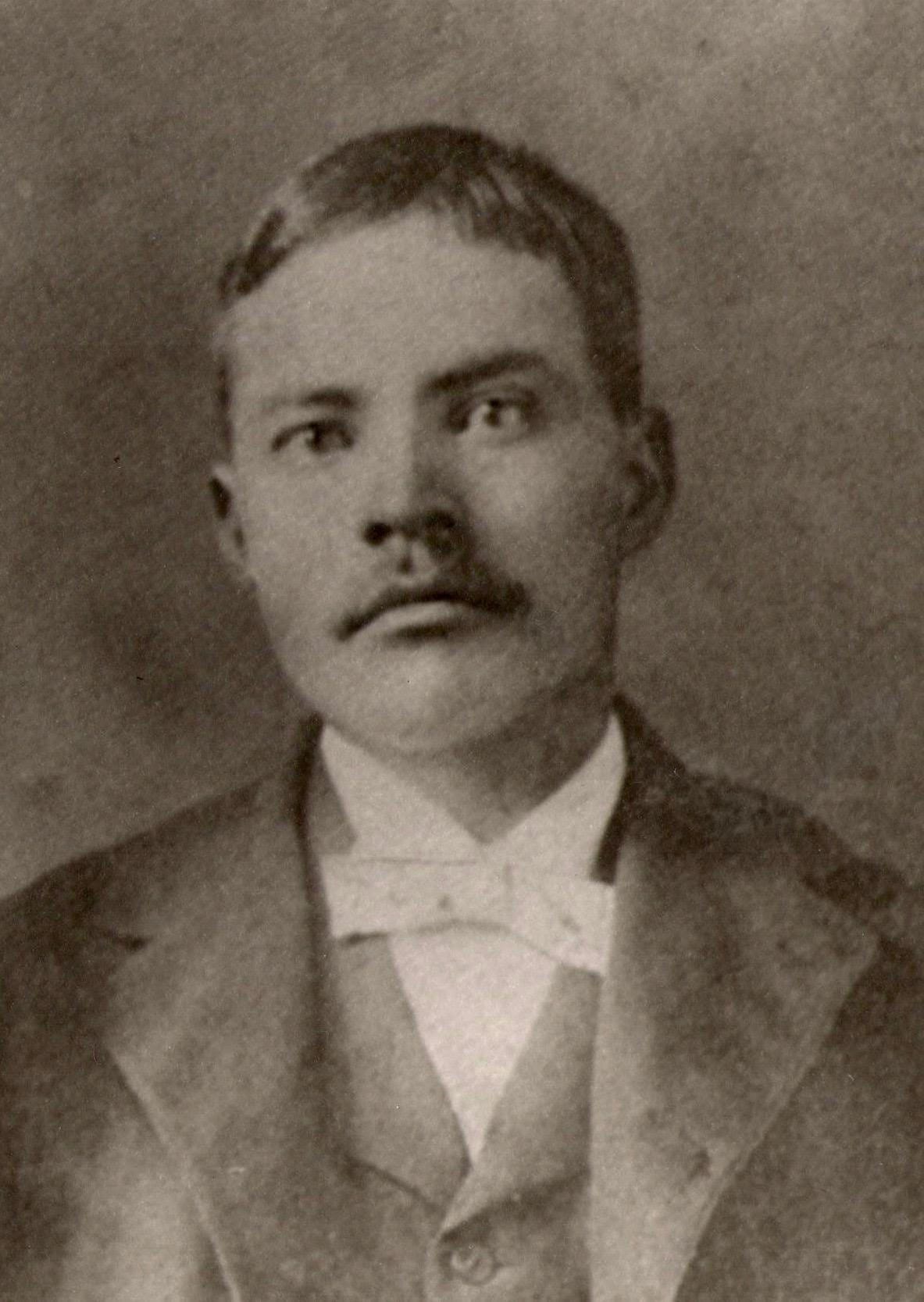
Dana explained that this was not just another poem for him, but the story of his great grandfather. He had always believed that the cowboy stories he heard from his grandfather were apocryphal. As head of the National Endowment for the Arts, he was giving a speech in Wyoming, near the site of the pivotal event of the story, and he related some of the details and his doubts about them. A month later he received a package from a librarian who happened to be in the audience, with clippings from 100 years ago confirming the facts of the tale. As Dana told me, “It’s all true.”
As for me, a wonderful, rich story discovered by the simple opening of a book. Potential. In our conversation, Dana mentioned his translation of Seneca’s The Madness of Hercules, published by Wiseblood Books. The play is now being performed … here is a clip.
I bought 2 copies of the play. This one I will read.
I am delighted that Tim Rudderow whom I have not yet met face to face (only virtually) discovered my poem by serendipity in this new anthology. It is the nicest way to have your work read.
You know at least 2 poets, Tim! I love this reflection about the joys and perils of owning many books.